Introduction
Every year on 25 November, the world unites to observe the International Day for the Elimination of Violence Against Women—a global campaign dedicated to raising awareness, strengthening laws, empowering survivors, and transforming societies. Violence against women is not just a gender issue; it is a human rights violation, a developmental barrier, and a moral failure of society.
Despite global progress, millions of women still face domestic abuse, sexual assault, emotional torture, trafficking, child marriage, cyber harassment, and public violence. This day serves as a reminder that unless the world acts collectively, equality will remain a distant dream.
Why 25 November? History Behind the Day
The date honors the Mirabal Sisters—three brave Dominican women who were assassinated in 1960 for resisting a dictatorship. Known as “Las Mariposas,” they became global symbols of courage against gender-based violence.
In 1999, the United Nations officially declared 25 November as the International Day for the Elimination of Violence Against Women. Since then, governments, organizations, NGOs, and individuals across the world participate in campaigns, laws, marches, and digital movements to raise awareness.
Understanding Violence Against Women: The Multiple Forms
Violence is not always visible. It can be silent, hidden, and deeply psychological. Some major forms include:
1. Domestic Violence
Physical, emotional, or verbal abuse within families.
Sadly, India still sees thousands of cases daily—many unreported.
2. Sexual Violence
Rape, molestation, harassment at home, workplace, or public spaces.
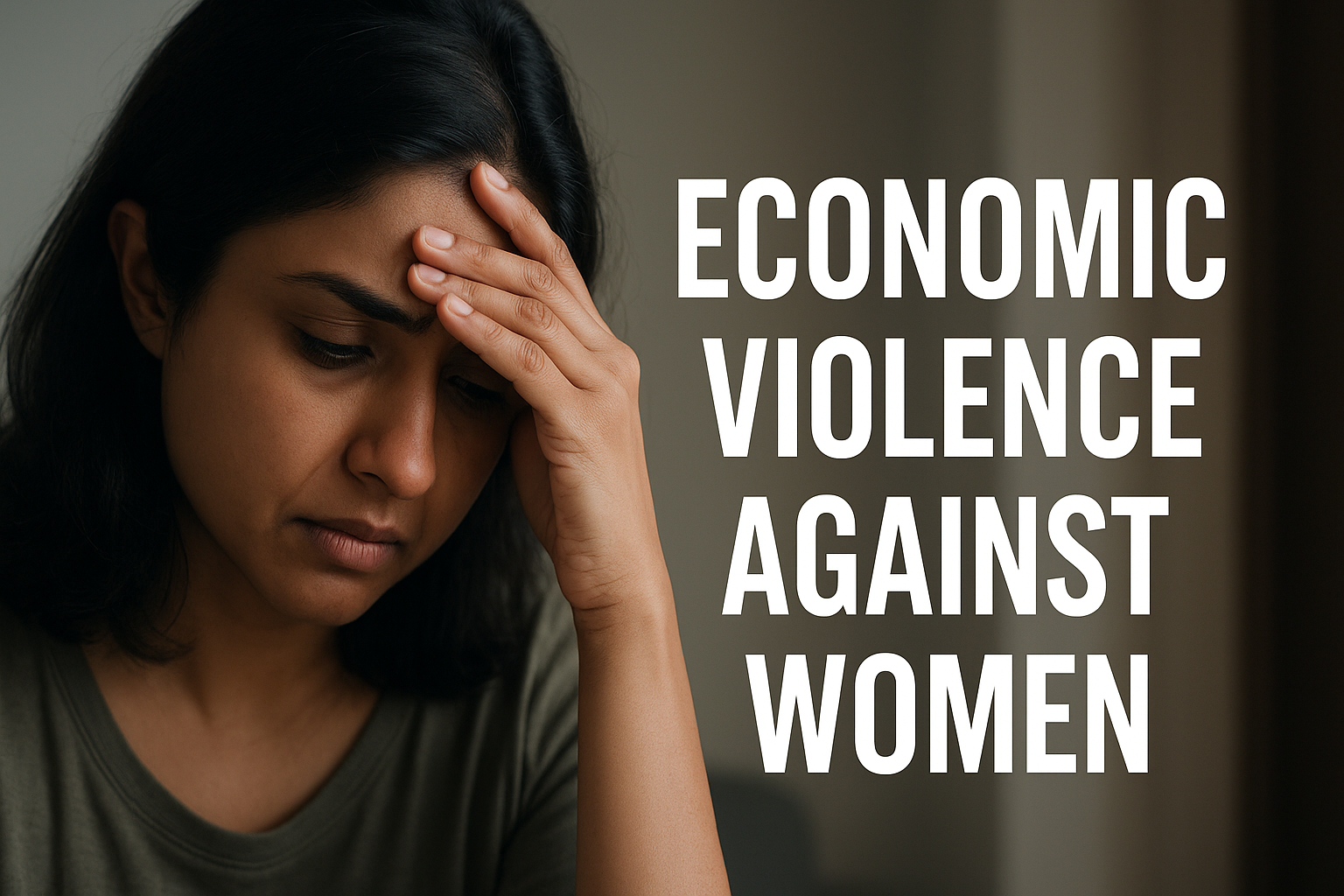
3. Economic Violence
Restricting women’s financial freedom, property rights, or employment.
4. Cyber Violence
Online stalking, threats, impersonation, and trolling.
5. Social & Cultural Violence
Forced marriages, honor killings, dowry pressure, societal discrimination.
6. Workplace Harassment
Unfair treatment, exploitation, or sexual harassment at job sites.
7. Violence During Conflicts
In war zones, women often face trafficking, torture, and exploitation.
Violence can occur at any age—from childhood to old age. The goal is not only to punish offenders but to transform mindsets, empower women, and build protective systems.
Global Situation: Why This Day Continues to Matter
Despite decades of fight:
- 1 in 3 women worldwide face physical or sexual violence in their lifetime.
- Only 40% of survivors ever report the crime.
- Online harassment against women has increased dramatically.
- In many developing nations, child marriage, trafficking, and honor killings remain widespread.
Violence against women remains one of the most widespread, persistent, and devastating human rights violations across the globe, cutting across geography, culture, income levels, and education. Despite decades of international efforts, the world continues to face an alarming reality: according to UN estimates, one in every three women globally experiences physical or sexual violence at least once in her lifetime, making it a silent pandemic that affects millions. Many countries still lack strong laws, and even where laws exist, weak enforcement, social stigma, and patriarchal beliefs prevent justice. Conflict zones and humanitarian crises worsen the situation, with women facing heightened risks of trafficking, sexual slavery, and exploitation. Online spaces, once seen as empowering, have become new grounds for cyberstalking, trolling, impersonation—especially targeting young women and activists. Under-reporting remains a global problem; nearly 60% of cases never reach police due to fear, humiliation, or lack of support systems. Marginalized women—such as migrants, refugees, indigenous communities, and rural populations—face even greater vulnerabilities and lesser access to protection. This day continues to matter because it reminds the world that gender-based violence is not an individual tragedy but a collective failure of systems, cultures, and societies. It demands that governments strengthen laws, tech companies improve safety tools, communities challenge stereotypes, and global leaders invest in prevention, protection, and support for survivors. Ending violence against women is not optional—it is essential for achieving peace, development, equality, and a just world for future generations.
Violence is not limited to rural or poor communities; it exists in modern cities, educated families, workplaces, and even digital spaces.
India’s Situation: Progress and Challenges
India has taken major steps through laws, campaigns, and digital reforms.
Key initiatives include:
Major Laws in India
- Protection of Women from Domestic Violence Act (2005)
- Criminal Law Amendment Act (2013) after the Nirbhaya case
- POSH Act, 2013 — workplace sexual harassment law
- POCSO Act, 2012 — protecting minors
- Prohibition of Child Marriage Act
- Dowry Prohibition Act
Government Programs
- Beti Bachao, Beti Padhao
- One Stop Centers for survivors
- Women Helplines (181)
- Nirbhaya Fund
- Fast Track Courts
- Cyber Safe India initiative
Ongoing Challenges
- Under-reporting due to stigma
- Lengthy legal processes
- Lack of awareness in rural areas
- Cultural conditioning of silence
- Cybercrimes rising among teenagers and women
UN’s Theme for the Campaign
Every year, the UN launches the “Orange the World” campaign—symbolizing a brighter future without violence. Social media, buildings, monuments, and streets glow in orange to spread the message.
The broader movement includes:
- Awareness drives
- Community dialogues
- Digital campaigns
- Fundraising for survivors
- Policy-making sessions
- Safety education programs
The message remains clear: Violence is preventable, not inevitable.
Why Ending Violence Against Women Matters for Society
1. Stronger Families and a Healthier Society
Ending violence against women is essential for building emotionally stable and harmonious societies. In India, where families form the core of cultural identity, violence within the home destroys trust, respect, and peace. Women who face abuse often experience depression, fear, and loss of confidence, which directly affects children who witness these conflicts. Such children are more likely to struggle academically, show behavioral issues, or repeat the patterns of violence in adulthood. Globally too, studies show that domestic violence weakens the social fabric of communities and leads to generations of traumatized families. When women are safe, families function with love, security, and dignity—laying the foundation for a compassionate and progressive society.
2. Economic Growth and National Prosperity
Violence against women significantly slows down national development. In India, millions of women face workplace harassment, unsafe public transport, and domestic abuse, which directly affect their ability to work or pursue careers. Many women leave their jobs due to fear or societal pressure, leading to economic dependency and lower household income. Globally, gender-based violence costs countries billions of dollars every year in healthcare, legal proceedings, and lost productivity. When women participate fully in the workforce, economies grow faster, families become financially secure, and nations achieve higher growth rates. Ensuring women’s safety is not just a social necessity—it is an economic strategy for national prosperity.
3. Better Education and Brighter Futures
Violence is one of the biggest obstacles preventing girls from completing their education. In many parts of India, parents hesitate to send daughters to school because of unsafe routes, lack of secure school environments, or fear of harassment. Child marriage and early pregnancies further disrupt girls’ education, limiting their future opportunities. Around the world, millions of girls drop out due to similar threats of violence and exploitation. When violence is eliminated, girls can pursue education without interruption, dream bigger, and achieve higher goals. Educated women are more likely to become leaders, professionals, entrepreneurs, and change-makers—raising future generations with confidence and empowerment.
4. Strengthening Democracy and Equal Representation
A truly democratic society must ensure equal participation of women in decision-making, leadership, and public life. However, violence restricts women from stepping into politics, community roles, and leadership positions. In India, many women hesitate to participate in gram sabhas, public gatherings, or political activities due to safety concerns and social stigma. Globally, countries with low violence against women have higher numbers of women leaders, stronger governance, and more inclusive policies. When women are safe, they confidently enter public spaces, contest elections, lead organizations, and contribute to policymaking. Ending violence strengthens democracy by ensuring every voice—especially women’s voices—is heard, valued, and empowered.
5. A Peaceful, Just, and Progressive World
Eliminating violence against women is essential for global peace, justice, and human rights. Violence—whether in homes, workplaces, schools, streets, or digital spaces—destroys trust and spreads fear, weakening the moral foundation of societies. In India, marginalized women from rural, tribal, or minority communities face even greater vulnerability, highlighting the intersections of gender, class, and social inequality. Across the world, conflict areas see women subjected to exploitation, trafficking, and assault, proving how violence thrives where justice is weak. Ending violence establishes fairness, equality, and protection for every citizen. A society that safeguards its women becomes safer for children, elders, and all vulnerable groups, creating a culture of empathy, justice, and true progress. A world without violence is a world where humanity thrives.
Empowering women means empowering the entire nation.
What We Can Do: Individual & Community Actions
Change begins at home. Everyone has a role in building a safer world.
1. Break the Silence
Encourage victims to speak. Provide emotional support. In India, silence often becomes the biggest barrier to justice for women facing abuse. Social pressure, fear of humiliation, and discouragement from relatives force many women to tolerate violence behind closed doors. To break this cycle, families and communities must create an environment where women feel safe to speak about their experiences without judgment. This includes listening with empathy, believing survivors instead of doubting them, and encouraging them to seek legal or medical help. Even simple steps—like talking openly about domestic violence in families, schools, and community meetings—can dismantle the culture of silence that protects offenders
2. Educate Boys
Teach boys about respect, boundaries, consent, and equality. A long-term solution to eliminating violence against women in India lies in reshaping how boys are raised. Parents often unknowingly reinforce harmful stereotypes by giving more freedom, authority, or importance to sons. To stop gender-based violence, families must teach boys from childhood about respect, emotional intelligence, consent, and equality. Schools should integrate value-based education on gender sensitivity, while community leaders and teachers must actively challenge phrases like “ladke rote nahi” or “ladka hi ghar ka waaris hai.” Raising boys who understand boundaries and treat girls as equals will prevent future abuse and create a more respectful society.
3. Digital Safety Education
Share information on cyber safety, privacy, and how to report abuse. With the rapid growth of smartphones and social media, Indian women—especially teenagers—are increasingly vulnerable to cyberstalking, online blackmail, morphing, and harassment. Many victims hesitate to report because they fear social stigma or lack awareness about cyber laws. Digital safety education can empower women to protect themselves online through strong passwords, privacy controls, and recognising suspicious behaviour. Schools, colleges, and NGOs should conduct workshops on cyber hygiene, digital footprints, and how to report crimes through portals like the National Cybercrime Helpline (1930) and Cybercrime.gov.in. A digitally aware population is the first defence against online abuse.
4. Support Survivors
Stand with victims—emotionally, legally, socially. In India, survivors of violence often face isolation, victim-blaming, and lack of emotional support. Instead of questioning their choices, families and neighbours should stand beside them with compassion and practical help. This support may involve accompanying them to report the crime, assisting with FIR filing, connecting them with government services like One Stop Centers, or offering temporary safe shelter. Emotional reassurance is equally important—letting survivors know they are not at fault and that seeking help is a sign of strength. A supportive ecosystem gives survivors the courage to heal and rebuild their lives.
5. Promote Financial Independence
Educating and employing women is the strongest weapon against abuse. Financial dependence is one of the primary reasons women remain trapped in abusive relationships in India. Encouraging women’s education, skill development, and employment can provide them the power to make independent decisions. Government schemes like Stand-Up India, Ujjwala Yojana, and SHG (Self Help Groups) under NRLM have significantly helped rural women start small businesses and secure financial stability. Families must stop discouraging women from working and instead support their career goals. When a woman earns, her confidence increases, and the fear of leaving an abusive environment decreases—making financial independence a powerful tool against violence.
6. Report Crimes
Silence protects the abuser, not the victim. Despite strong legal provisions, many cases of gender-based violence in India go unreported due to family pressure, fear of police, or concerns about reputation. Reporting crimes is essential not only for justice but also to prevent future offences. Citizens should be aware of helplines like 100 (police), 1091 (women helpline), 181 (women counselling), and the online FIR option in many states. Communities must encourage victims to file complaints and ensure they do not face further intimidation. Reporting creates a ripple effect—when one woman bravely comes forward, it gives strength to many others.
7. Strengthen Communities
Create women support groups, awareness programs, and safe workplaces. Strong communities can become powerful protectors of women’s safety. In India’s villages and urban neighbourhoods, forming women’s groups, self-help collectives, and mohalla committees can help monitor safety concerns and intervene in crises. Panchayats, schools, and local NGOs can conduct awareness campaigns about legal rights, safe public spaces, and gender equality. Community policing initiatives and vigilant groups can ensure public areas—like bus stops, parks, and markets—remain safe for women. When communities take responsibility, violence becomes not just a “family issue” but a collective concern that everyone works to eliminate.—If you want, I can integrate these updated points into your full blog, or write more sections to make the article even stronger.
How Media & Bloggers Play an Important Role
Content creators, like the readers of blog.mykunba.org, can influence society by:
- Sharing real stories
- Writing awareness blogs
- Educating through short videos
- Highlighting government schemes
- Encouraging families to prioritize women’s safety
Even a single article can change someone’s life.
Conclusion
The International Day for the Elimination of Violence Against Women is not just a date—it is a movement, a commitment, and a responsibility. The world cannot progress until women are free from fear, violence, and discrimination.
Let us pledge that:
- No woman shall be silenced.
- No girl shall be afraid.
- No survivor shall stand alone.
- No abuser shall go unchallenged.
A safe world for women is a prosperous world for all.